Daily walk touchpointThe best leash choice starts in the customer’s hand
For an everyday leash, shoppers notice handle feel, weight and clip operation before they notice technical language. A useful assortment gives a clear reason for each length and width instead of multiplying near-identical SKUs. Buyers can position lighter options for compact dogs and broader constructions for customers who prefer a more substantial grip, subject to verified load data.
Balance control, comfort and hardware weight
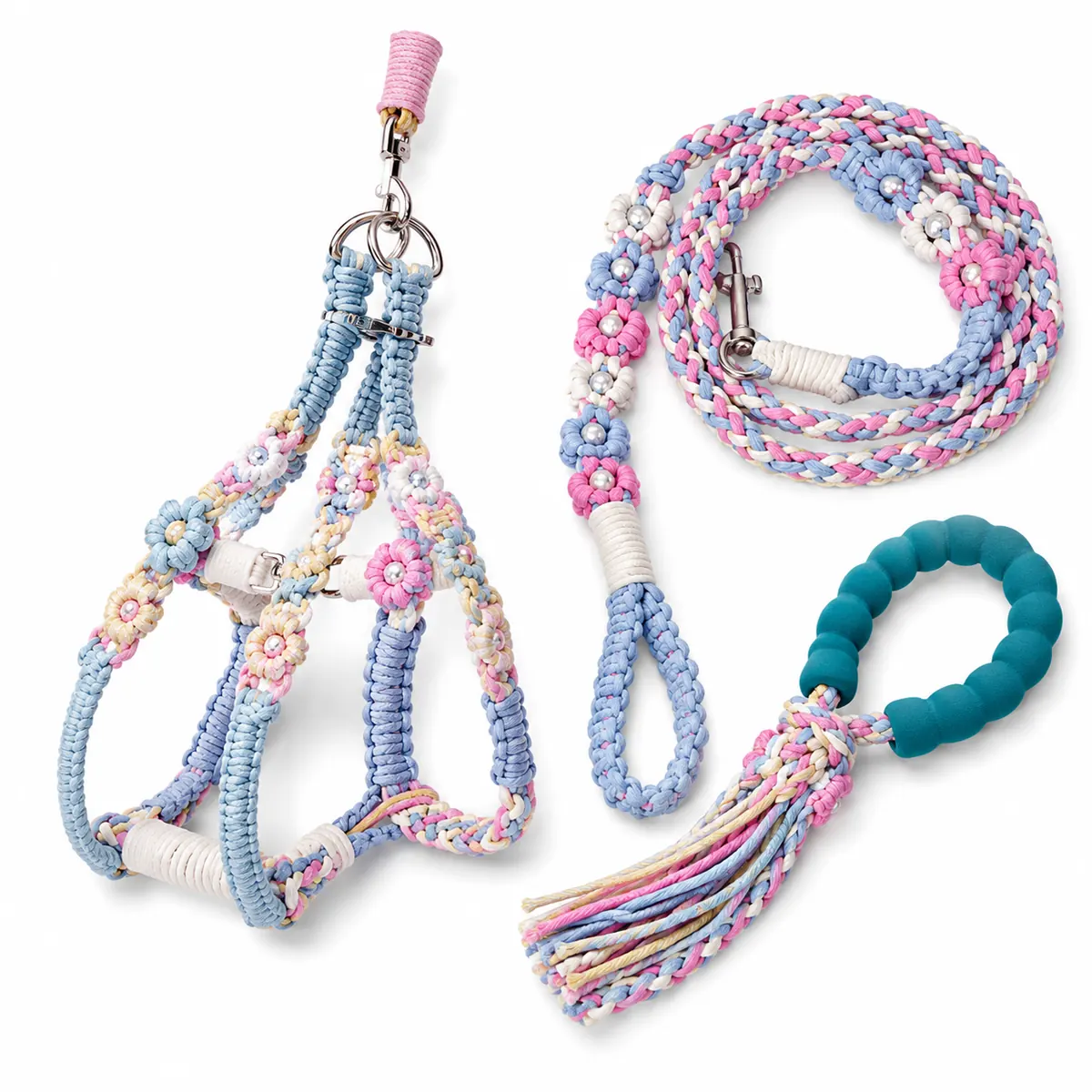
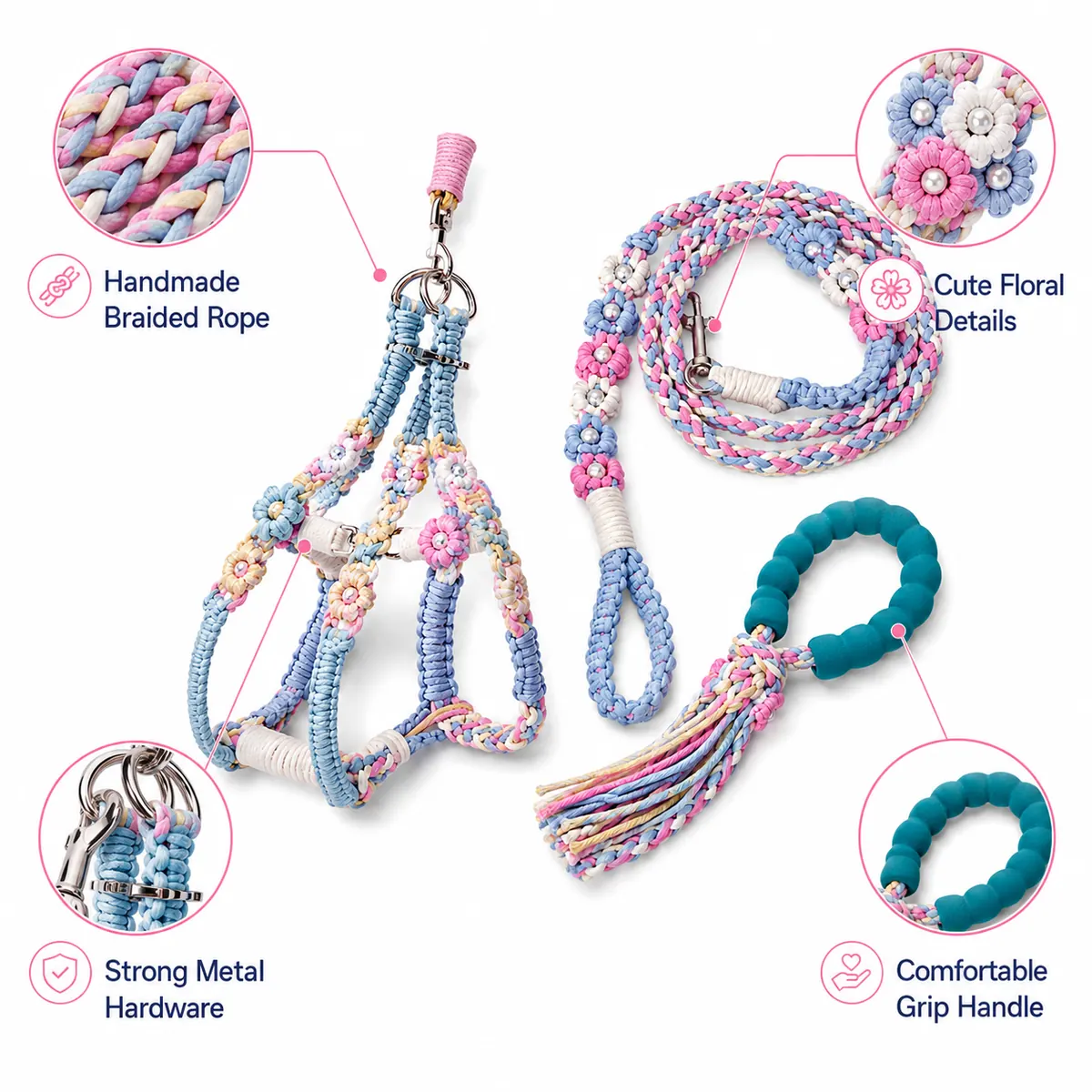
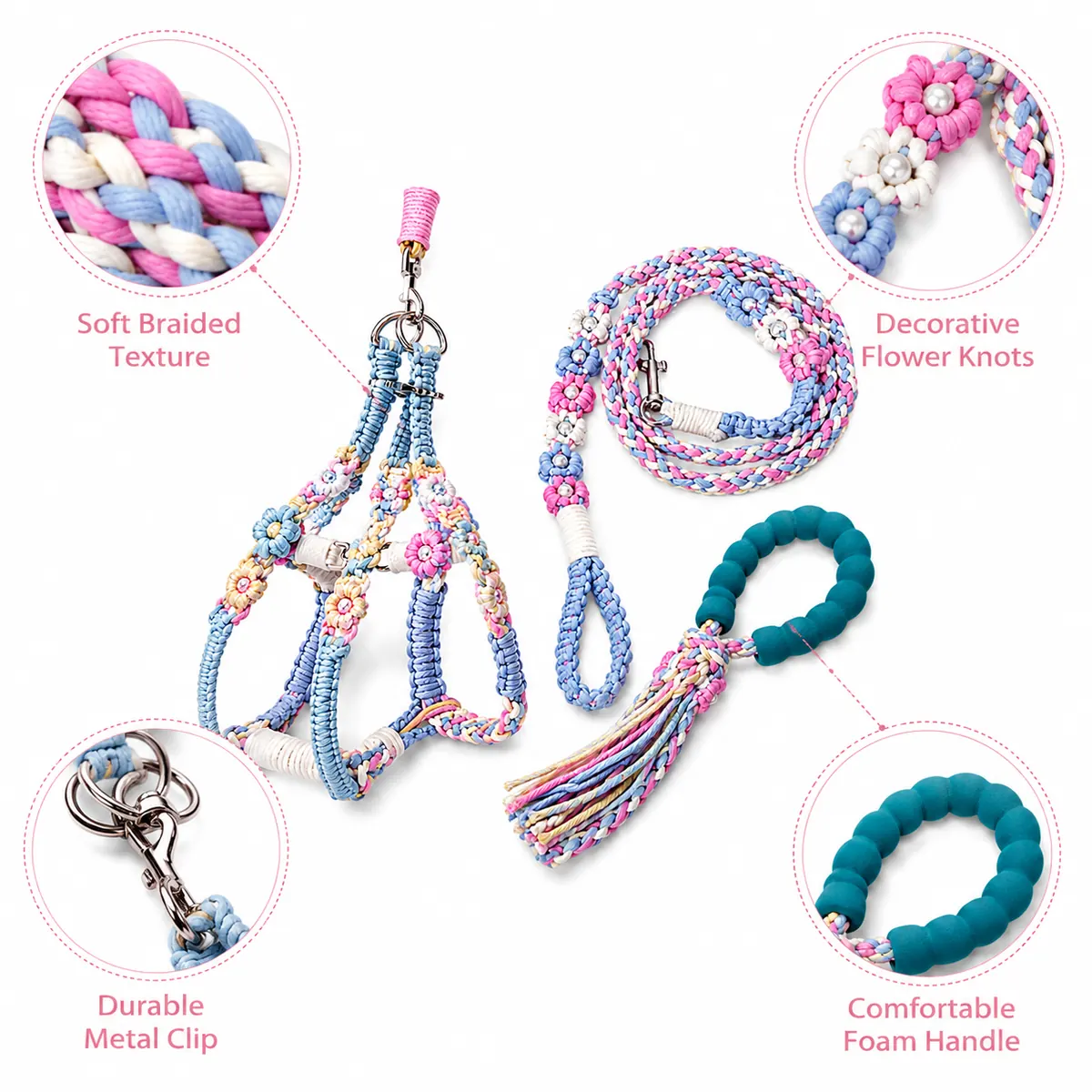
Review the handle opening with bare hands and gloves, then walk with the sample long enough to feel seam edges. Check whether the snap hook opens smoothly, swivels without binding and hangs in proportion to the strap. Finished length should be measured from the grip end to the attachment point using one consistent method.
Create a range customers can compare in seconds
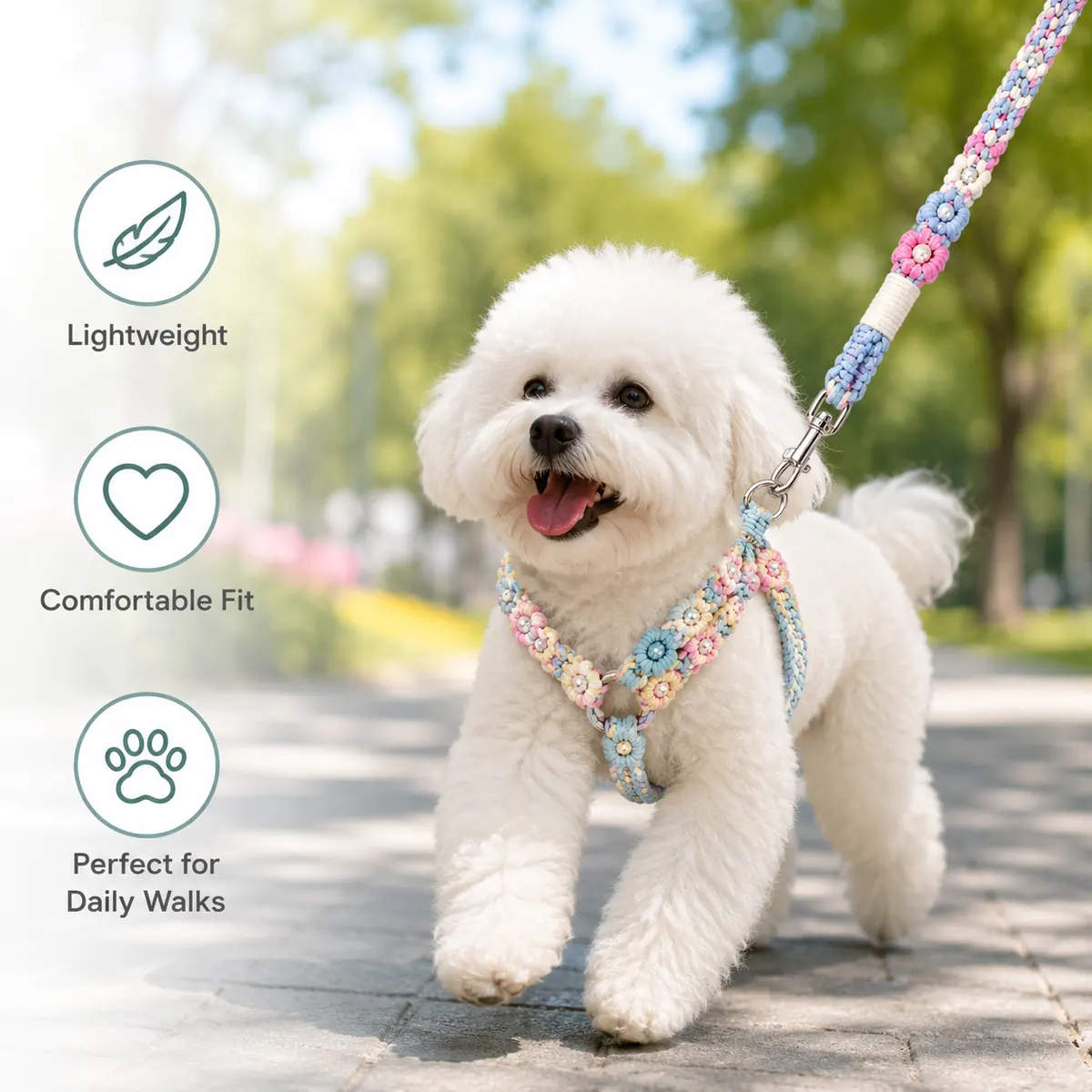
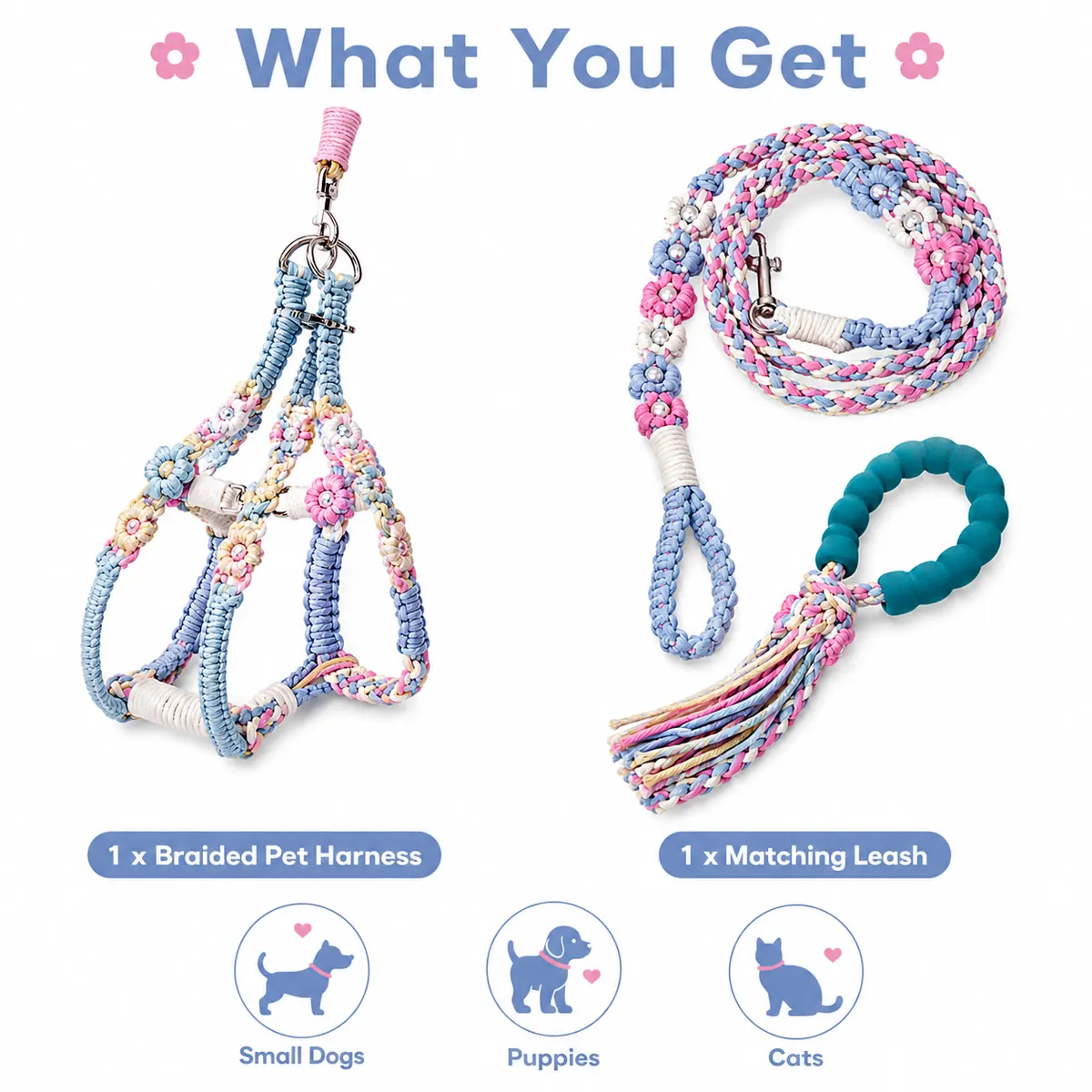
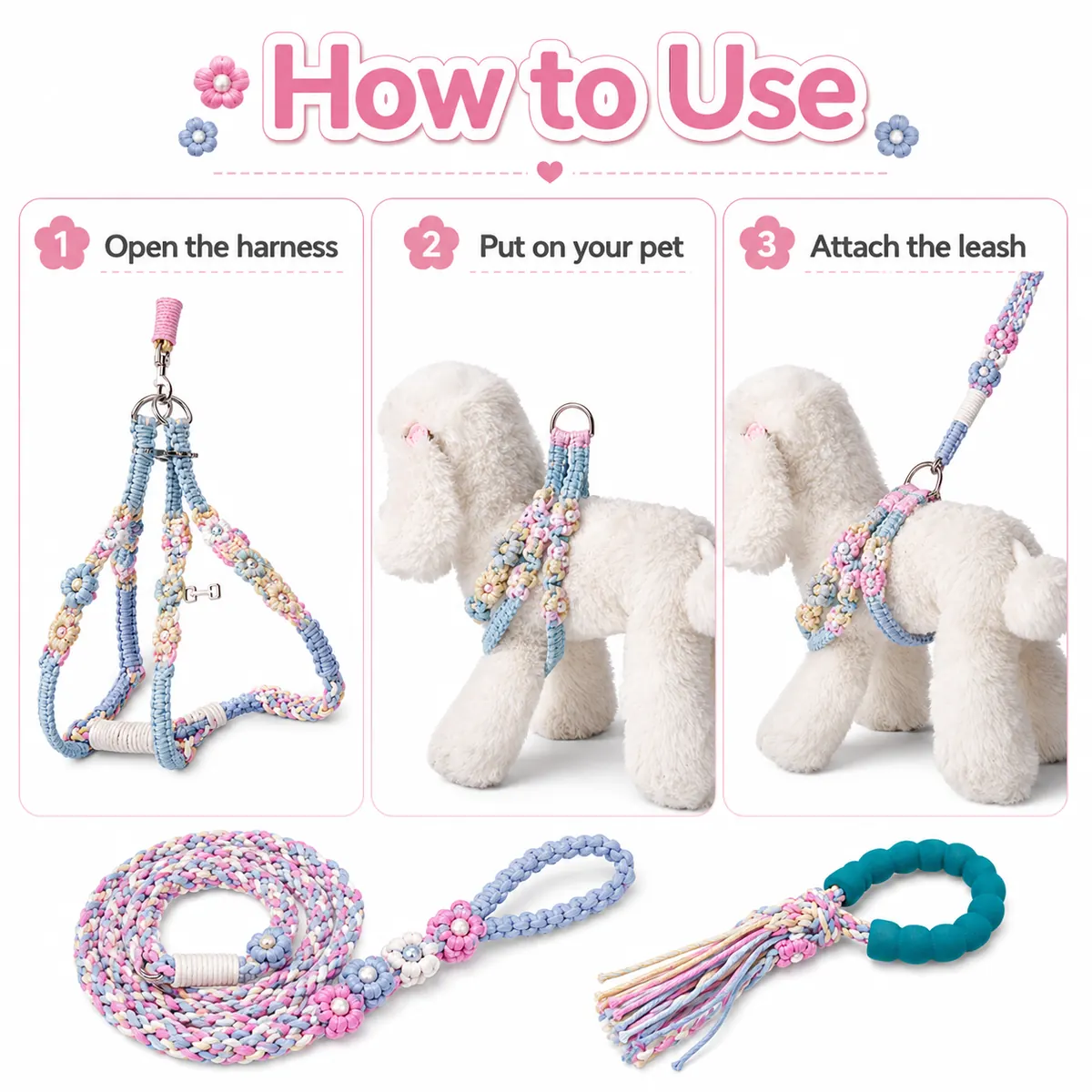
Organize the line by length, width, color and matching accessory rather than vague names such as standard or premium. Put those four fields on the front or side label and use one lifestyle image to show scale. For online listings, photograph the hook, handle and stitching so customers understand what changes between variants.
Questions to settle on the Dog Leash sample
- Finished usable length and webbing width
- Handle opening, seam position and edge feel
- Hook material, plating, gate and swivel cycle
- Verified load method and matching accessory colors
Responsible-use boundary: A daily walking leash should not be described as chew-proof, tie-out rated or suitable for vehicle restraint without separate evidence.
Reference note: For the Dog Leash, these use notes describe buyer-selection questions, not veterinary, restraint or performance guarantees. Confirm the exact material, dimensions, construction and test method for the quoted model.