Core walking assortmentChoose the harness by walking scenario, not by silhouette alone
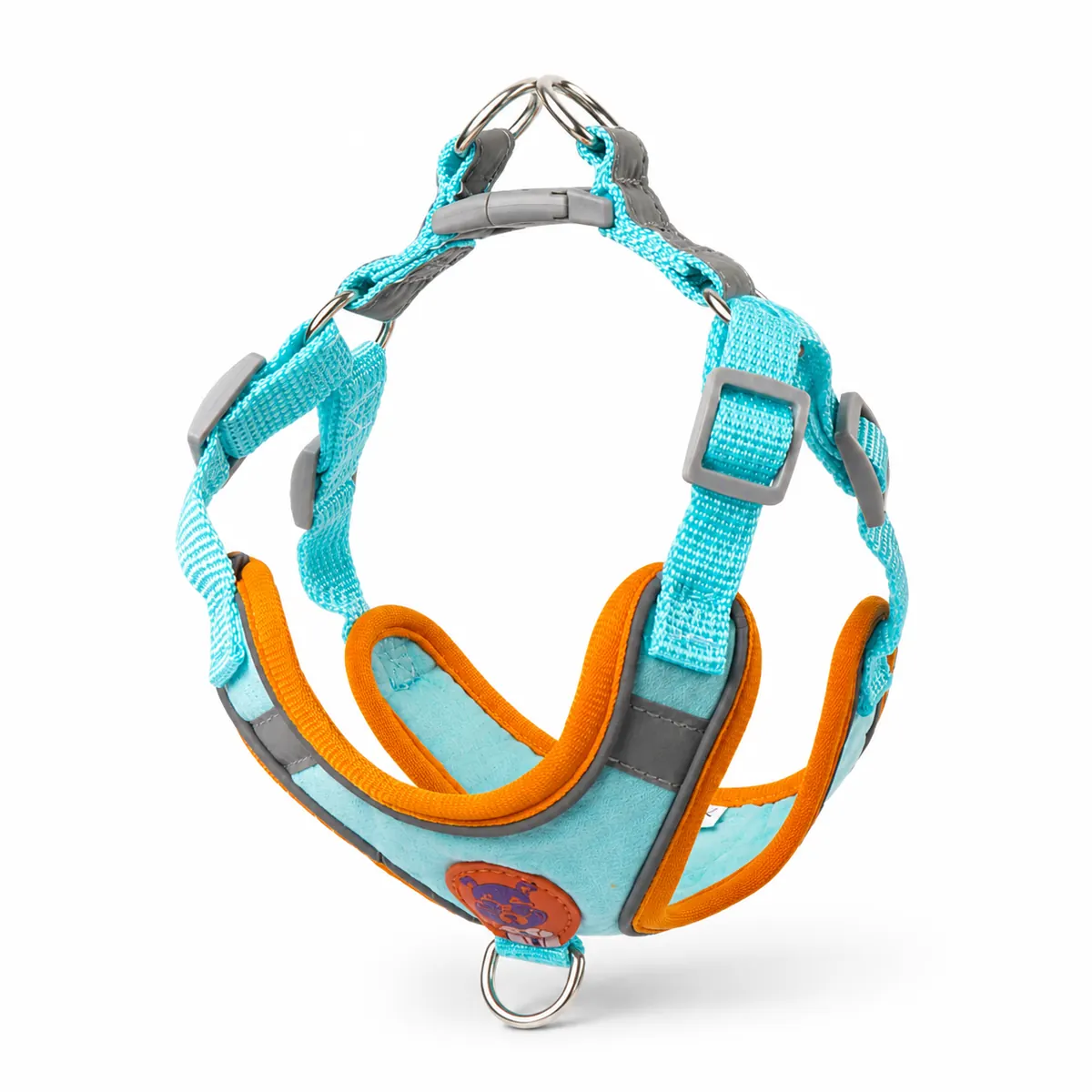
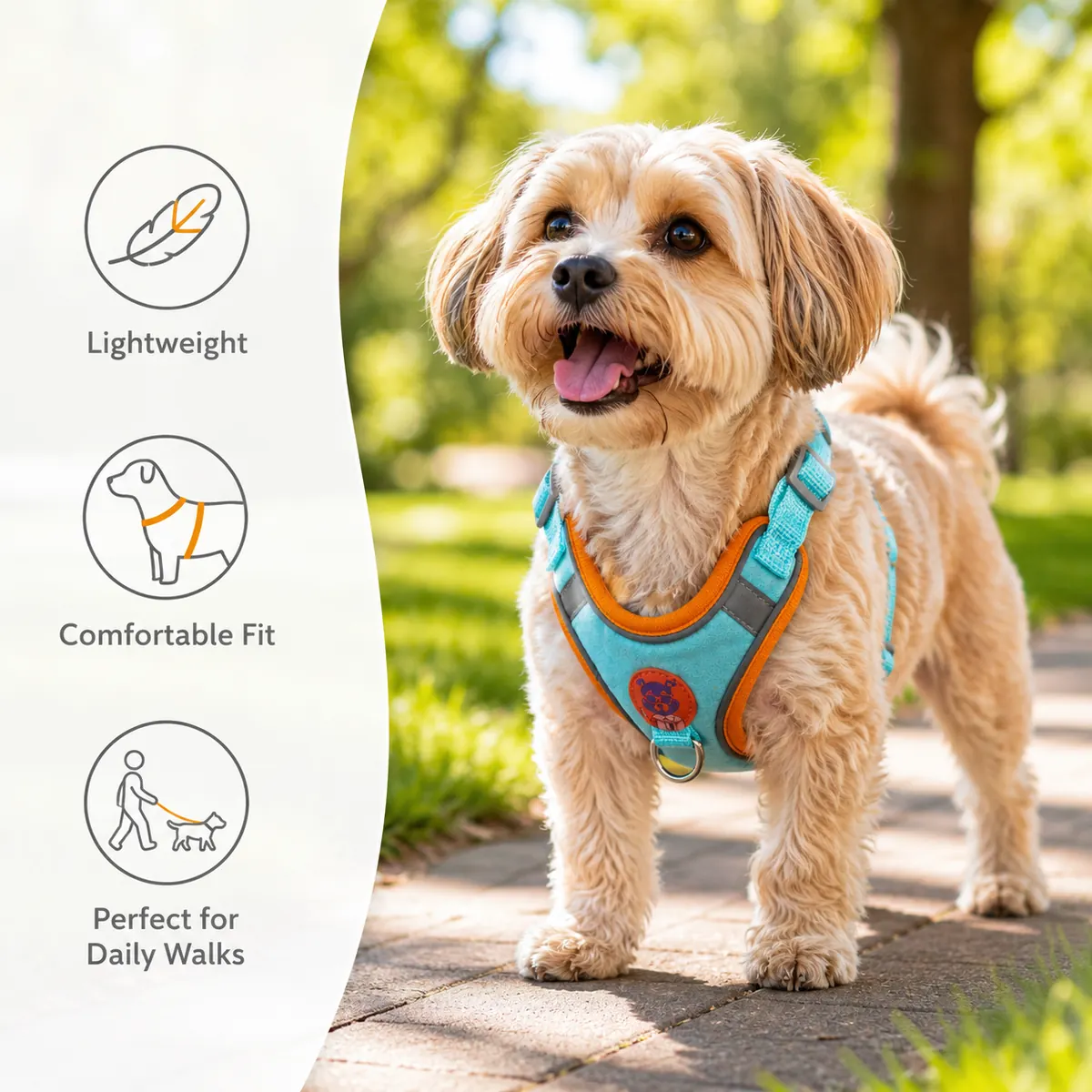
Harness photos can look nearly identical while the fit logic is completely different. Retail buyers should decide whether the target customer values quick dressing, broader chest coverage, lightweight daily walking or more adjustment. That decision guides strap layout, padding, buckle position, size count and the type of explanation customers need.
Movement reveals what the catalog image cannot
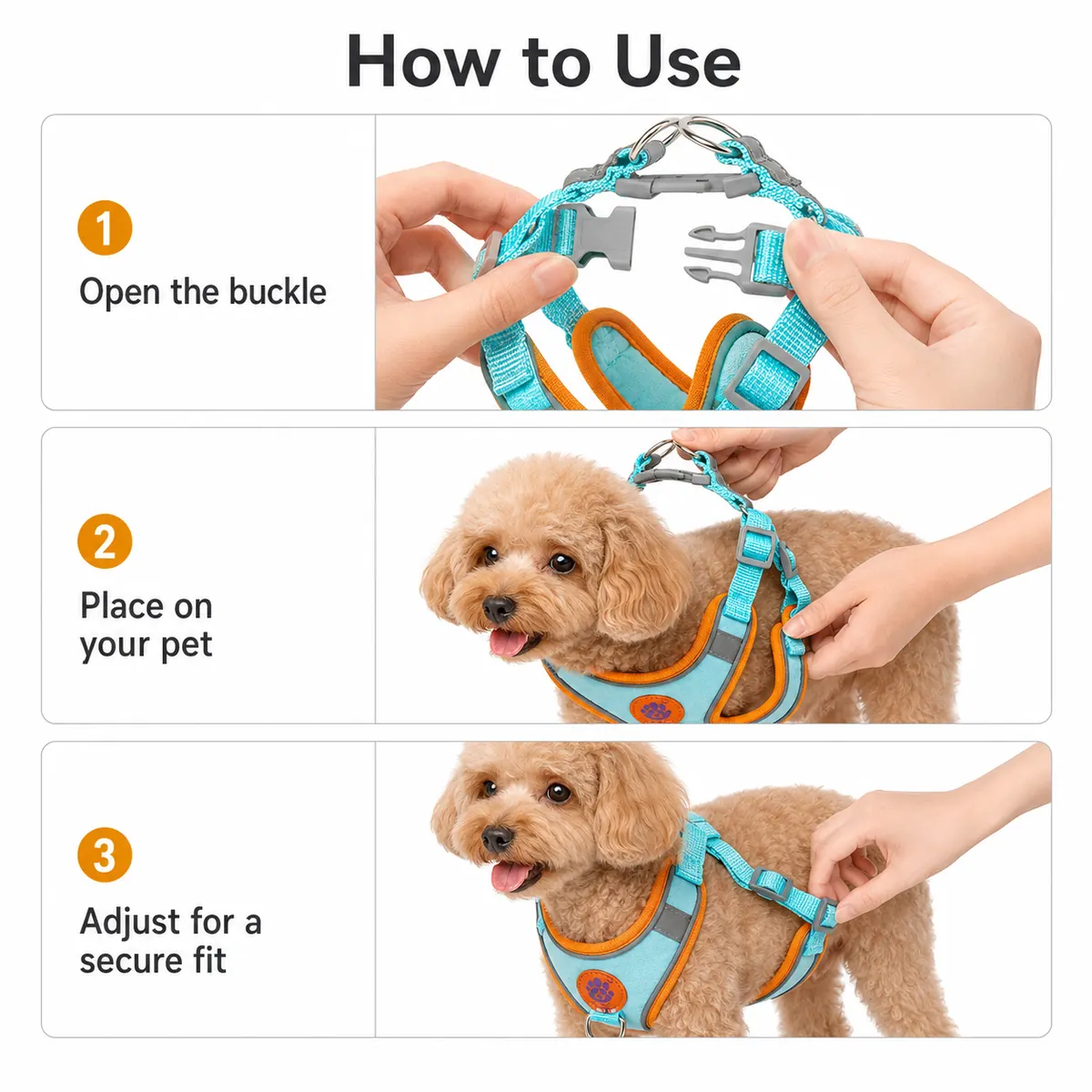
Use samples on several representative body shapes and observe shoulder movement, chest placement and strap stability. Check how easily a person can find the correct opening, whether long fur catches in the buckle and whether the ring position causes the harness to rotate. Record the adjustment range after the straps are threaded correctly, not when laid flat and loose.
Simplify a technical product for first-time buyers
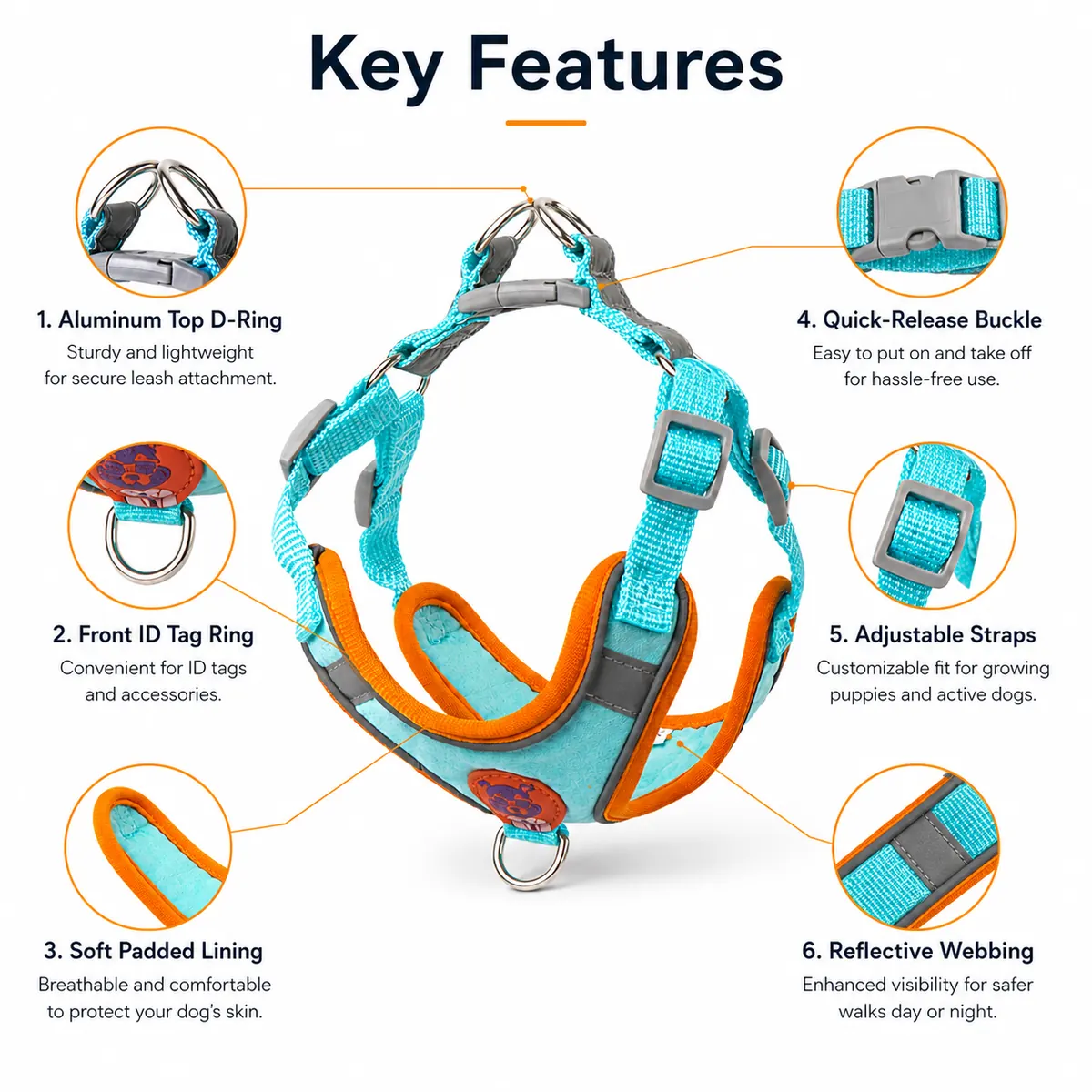
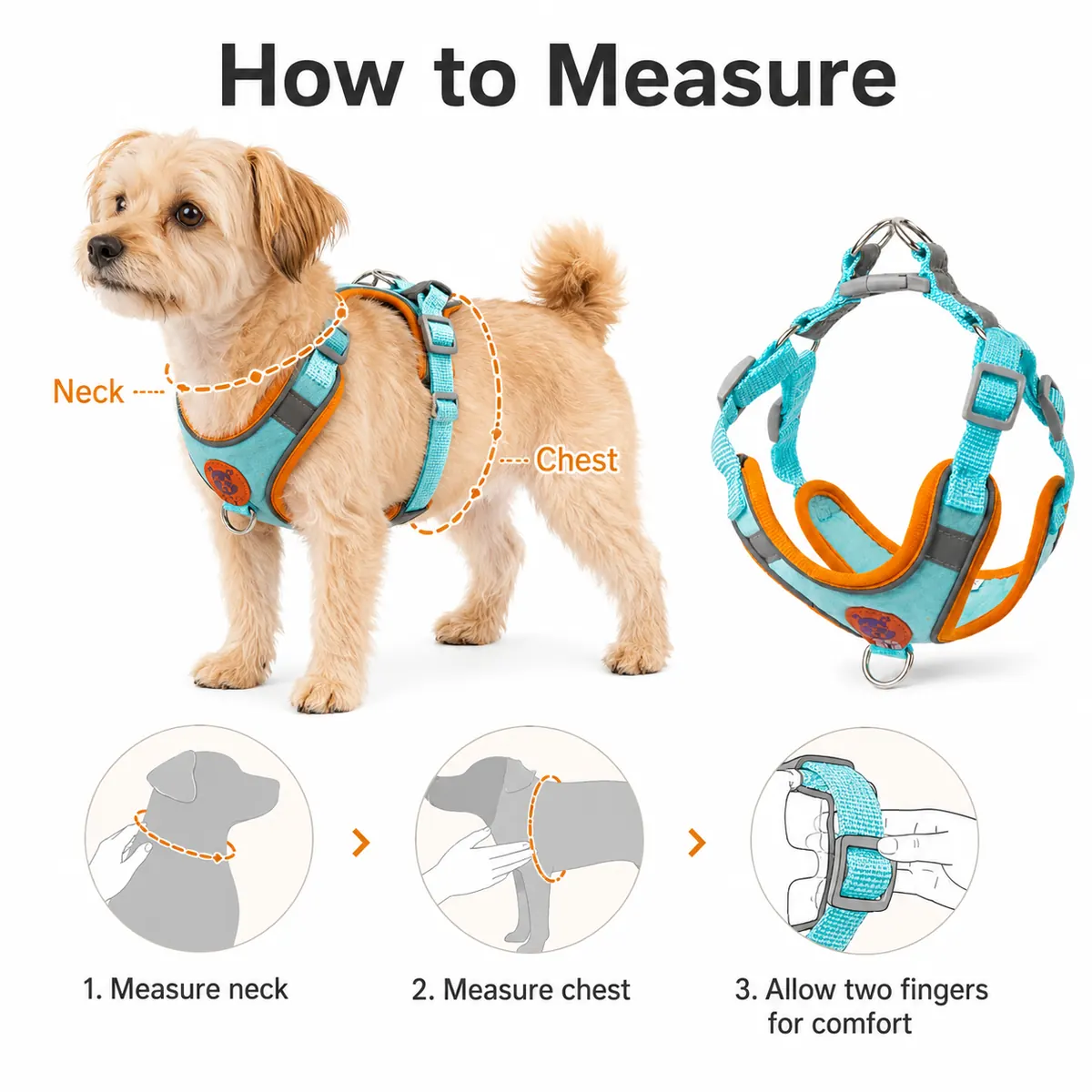
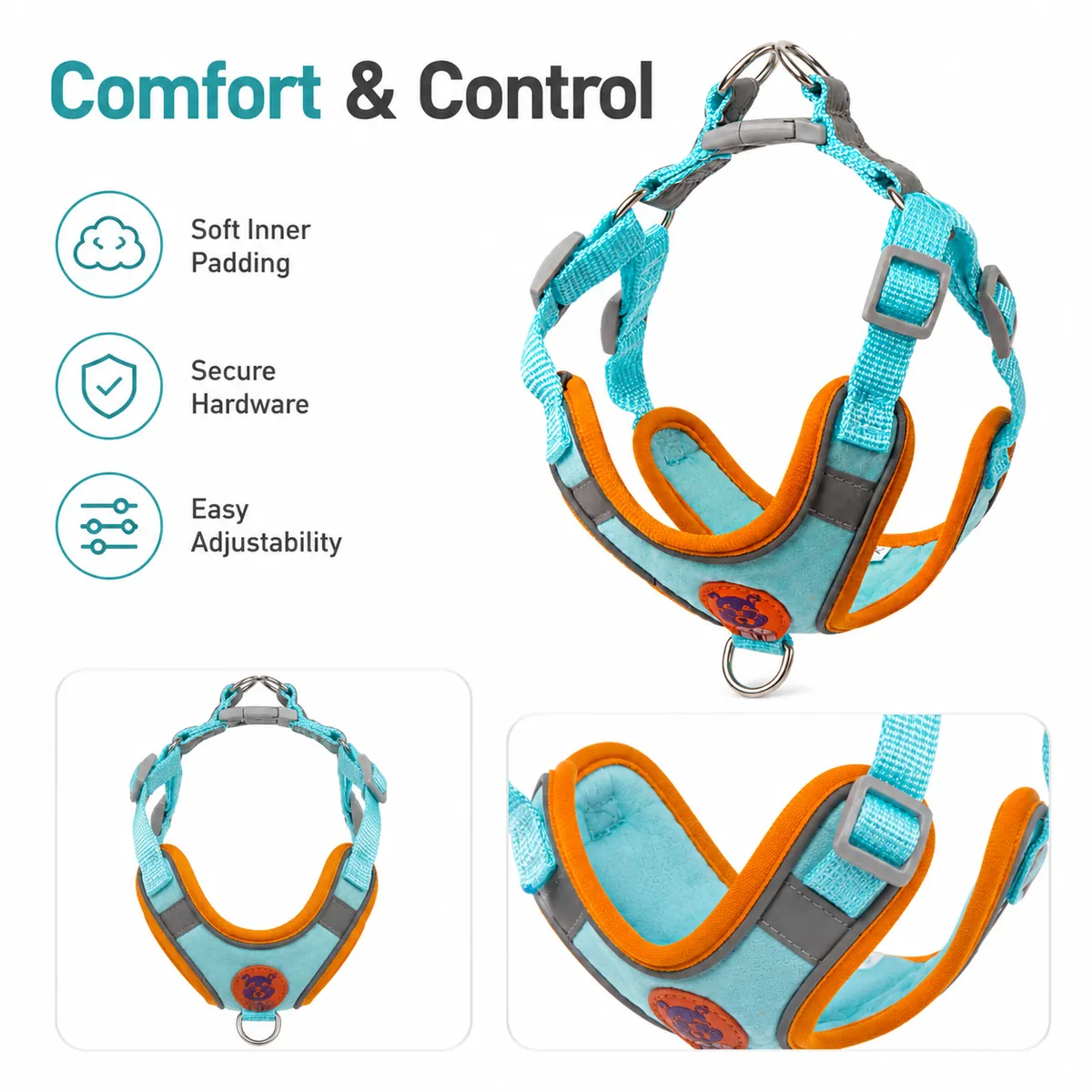
Front/back labels, a three-step fitting card and a clear size diagram make the item easier to sell online and in stores. Close-up images should show the fastening sequence and hardware rather than repeating the same lifestyle angle. For private label, treat the instruction card as part of the product specification, with its own artwork revision and language set.
Questions to settle on the Dog Harness sample
- Harness style and intended walking scenario
- Body measurement points and adjustment range
- Strap slippage, seams, buckles and ring attachment
- Instruction artwork and size-specific pack identification
Responsible-use boundary: Do not add no-pull, escape-resistant or crash-tested wording unless the exact model and test method support it.
Reference note: For the Dog Harness, these use notes describe buyer-selection questions, not veterinary, restraint or performance guarantees. Confirm the exact material, dimensions, construction and test method for the quoted model.