Fit-first walking gearWhy adjustability matters more than a long size list
Shoppers are drawn to an adjustable harness because it promises fewer fit mistakes as dogs grow, change coat length or sit between standard sizes. For a retailer, the opportunity is not simply to offer S, M and L; it is to make the adjustment points, body measurements and intended walking style easy to understand at a glance.
Fit is the feature customers remember
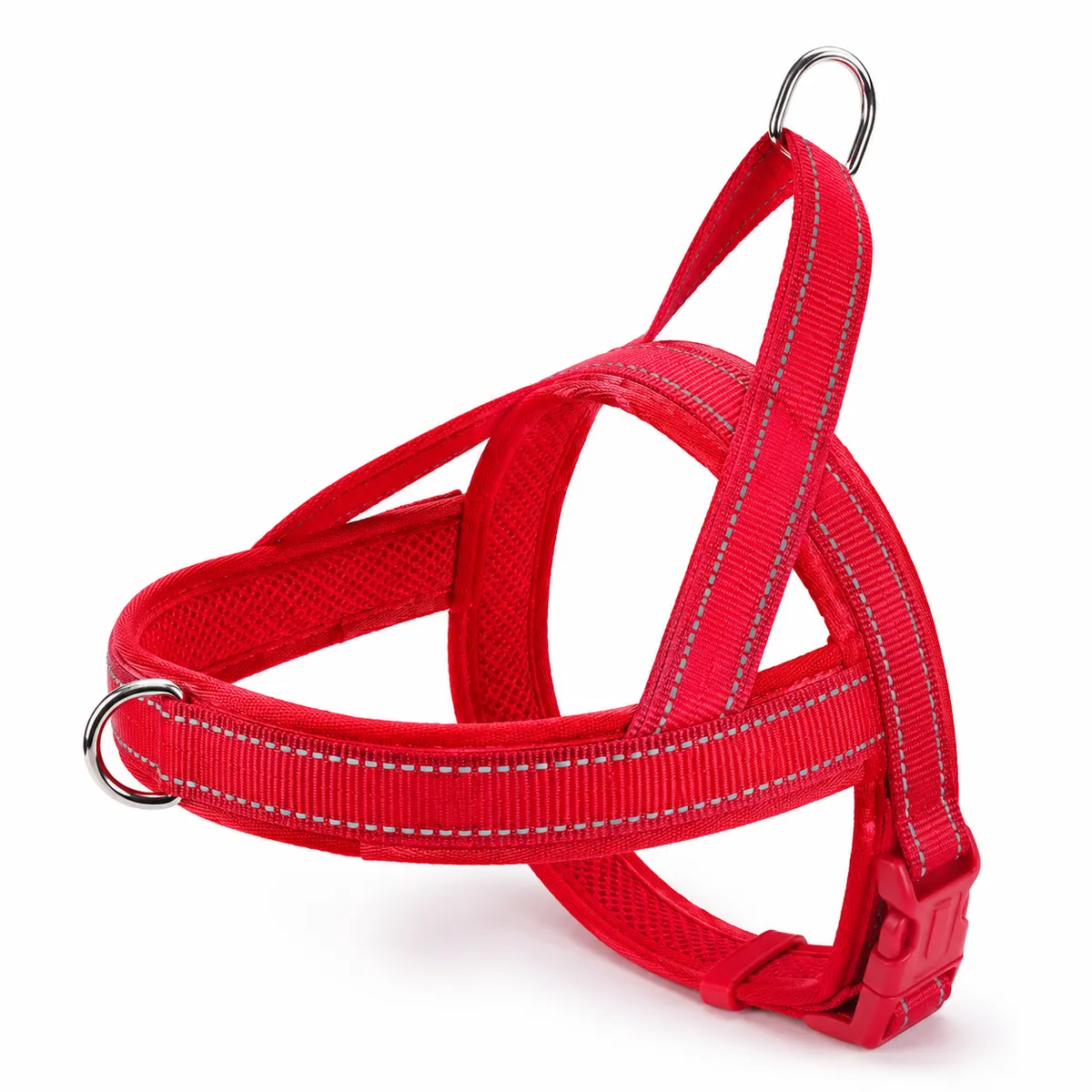
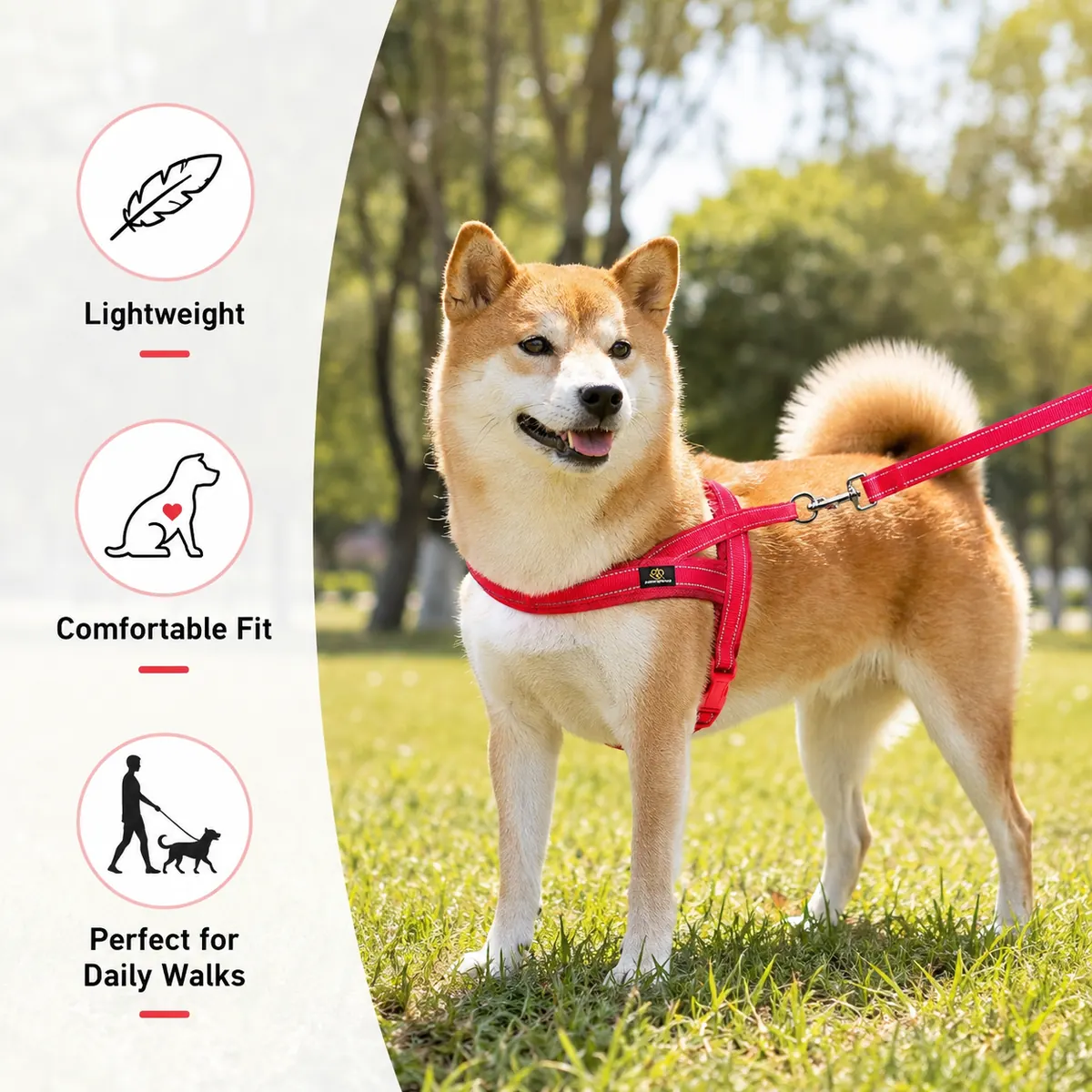
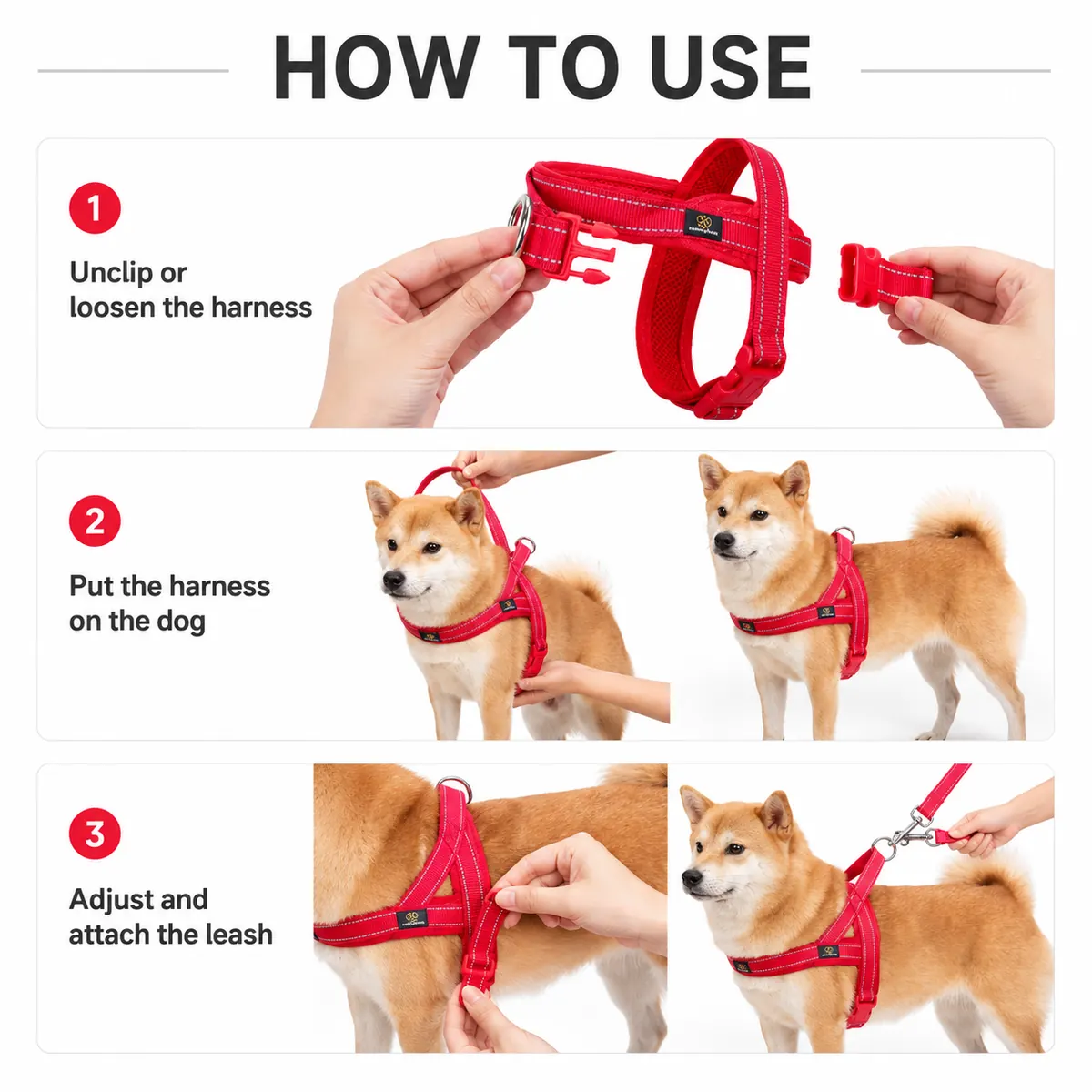
Ask where the neck and chest straps sit, how far each point adjusts and whether the geometry is designed for step-in or overhead dressing. A sample should be tried on representative dog shapes while standing, walking and turning. Check that edges stay away from the throat and front-leg movement, and that straps do not loosen after repeated motion.
Turn sizing into confident shelf communication
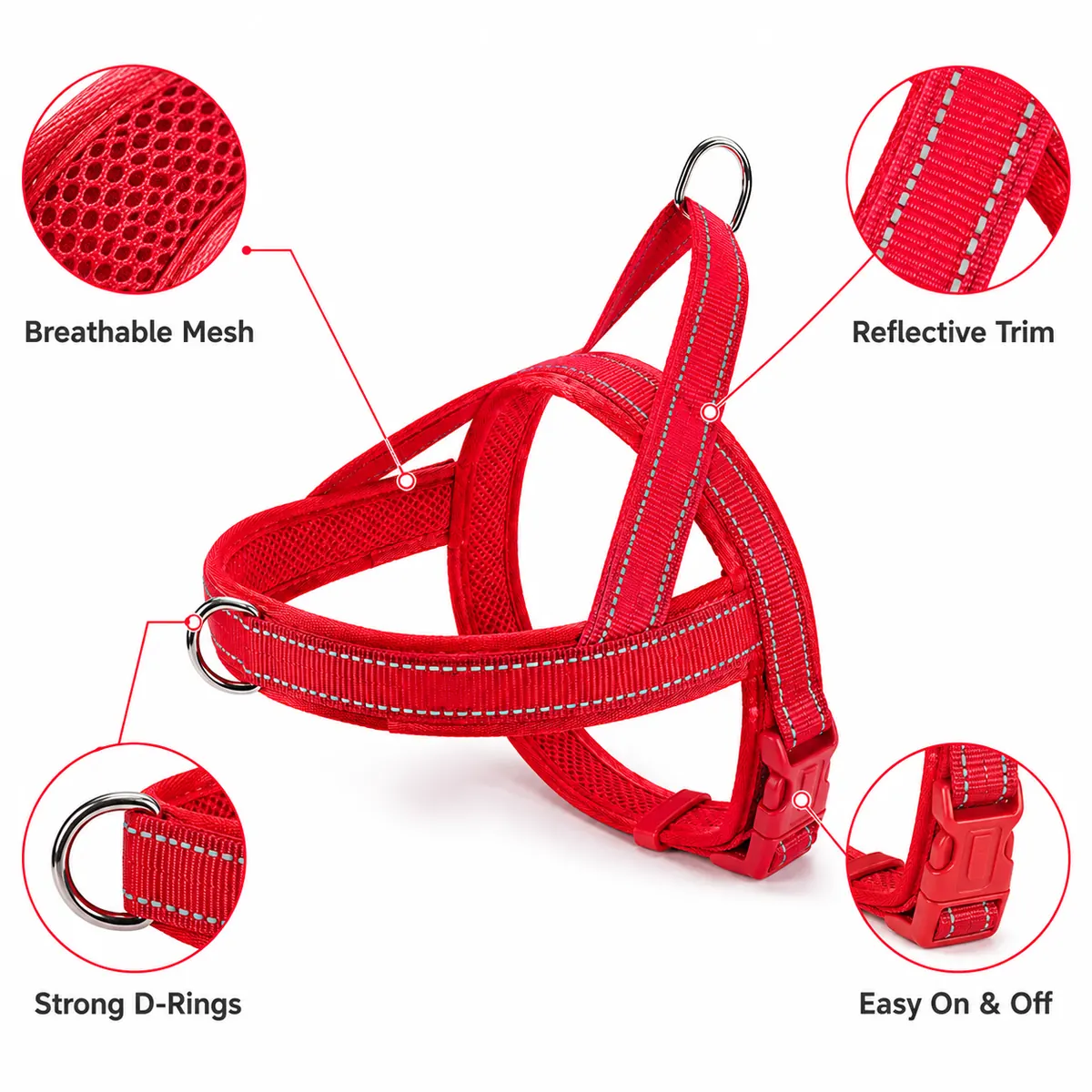
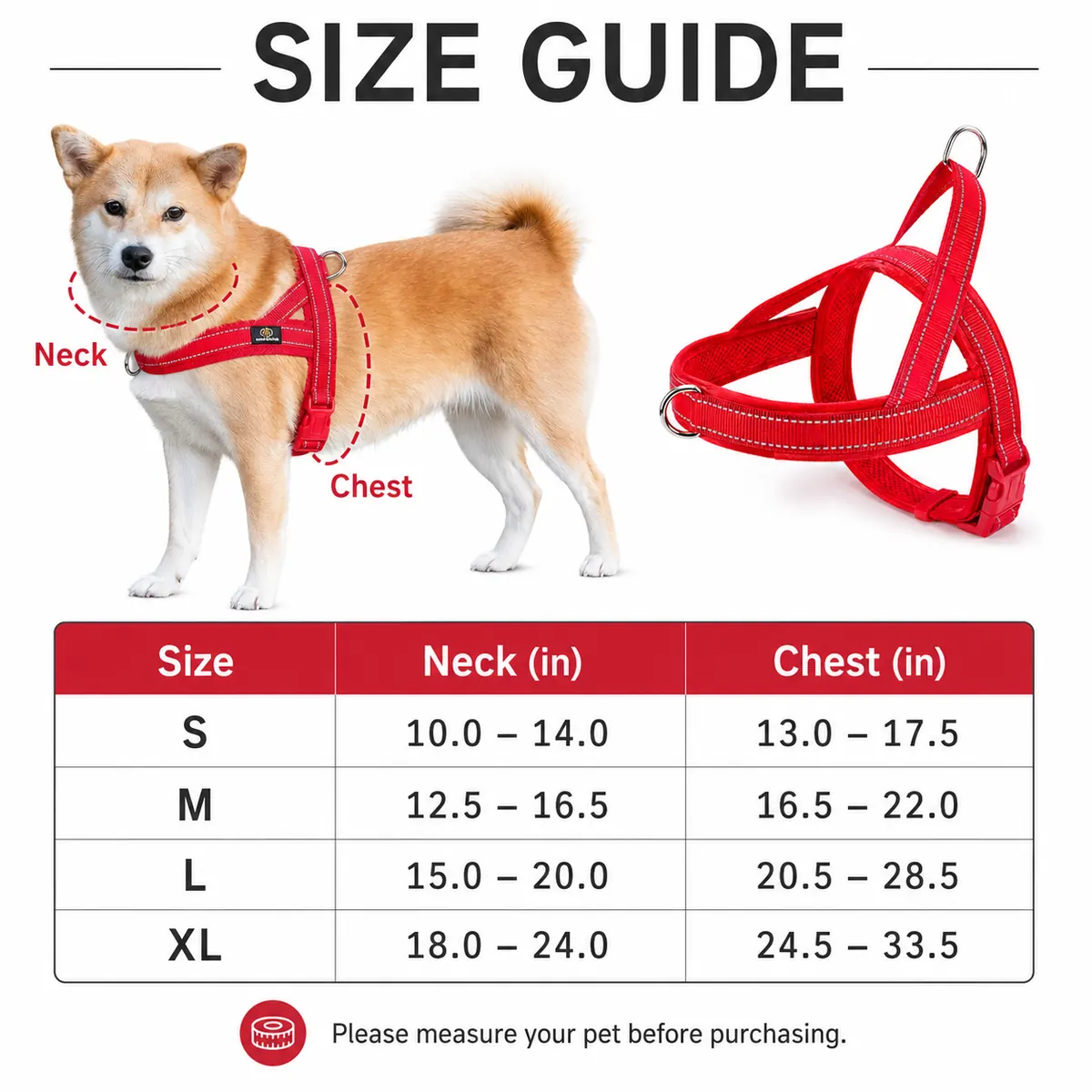
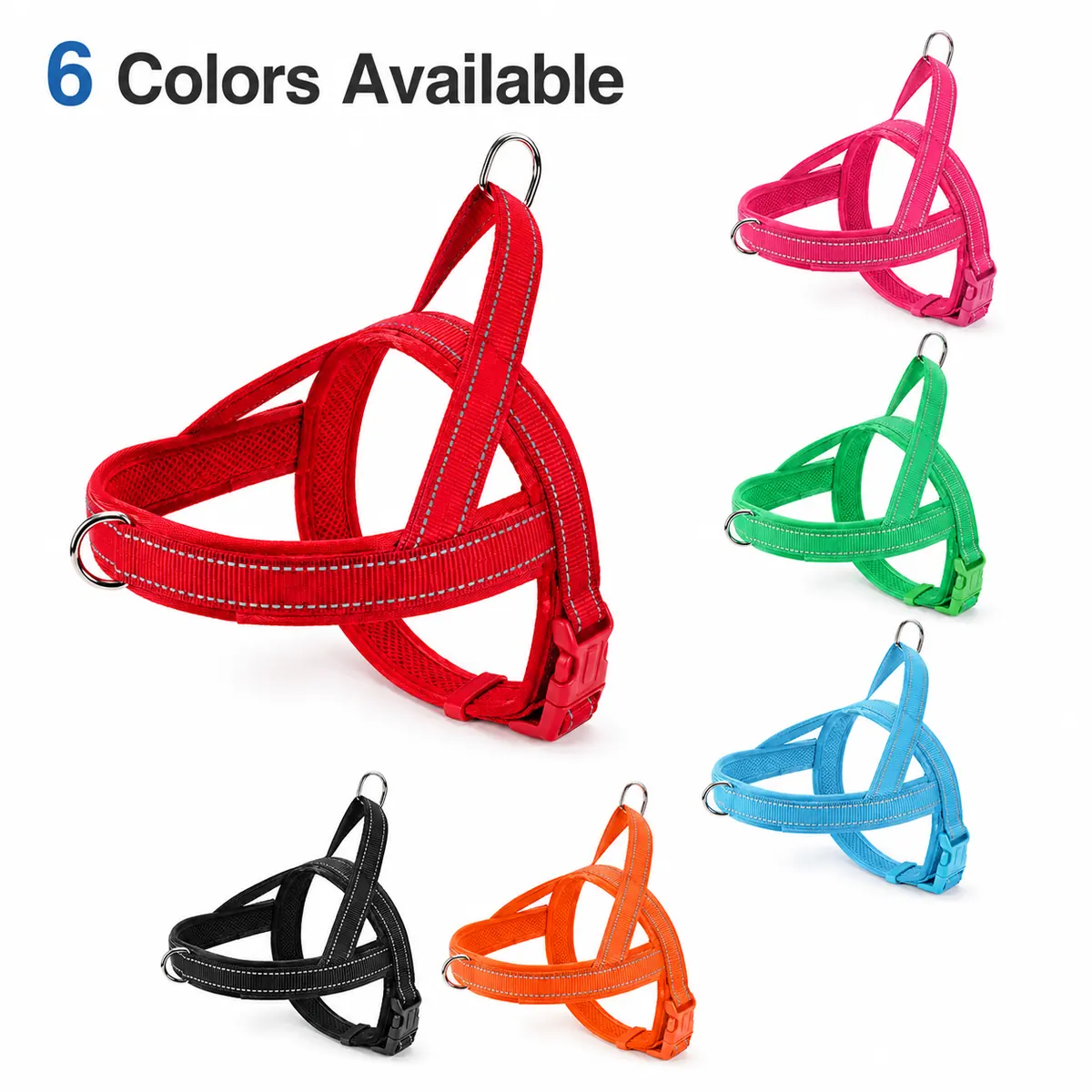
A strong retail pack pairs a clear measuring diagram with color-coded sizes, adjustment instructions and close-up photos of buckles and stitching. Matching leash or collar colors can create a coordinated walking set, but each component should keep its own SKU and barcode. That helps stores replenish the fast-moving sizes without reordering the entire family.
Questions to settle on the Adjustable Dog Harness sample
- Neck and chest adjustment range for each size
- Webbing width, edge finish and seam construction
- Buckle, ring and slider material plus pull-test plan
- Care label, colorfastness and retail size guide
Responsible-use boundary: Do not market a generic harness as escape-proof, no-pull or vehicle-safety rated unless the exact construction has evidence for that claim.
Reference note: For the Adjustable Dog Harness, these use notes describe buyer-selection questions, not veterinary, restraint or performance guarantees. Confirm the exact material, dimensions, construction and test method for the quoted model.